Furnace and Heat
Burners, igniters and blower motors are common lines. Ducts, vents and thermostat wiring often need a second look.

A closer look at the systems and appliances plans tend to name, plus the limits worth knowing before anything breaks.
A home warranty is a service contract. It pays toward the repair or replacement of named items that fail from normal wear. The key word there is named. If a part is not on the list, the plan usually does not reach it, no matter how ordinary it seems.
That is why I read plans the way a mechanic reads a parts diagram. I look for the system, then the pieces inside it, then the conditions attached. A heating plan might name the furnace but skip the ductwork. A plumbing plan might name the pipes but stop at the foundation.
Below you will find the areas that come up most often, with a few honest notes on each. Use them as a starting point when you sit down with your own plan documents.
None of this replaces the contract itself. It simply gives you a map, so the contract feels less like a maze on the day you finally need it.
Hover or tap an area to read what a plan may name and where it often draws the line.
Burners, igniters and blower motors are common lines. Ducts, vents and thermostat wiring often need a second look.
Compressors and coils that give out with age may be named. Window units and portable coolers usually sit outside the plan.
Tank and tankless heaters often appear by name. Sediment from skipped flushing is a frequent reason a request gets turned down.
Leaks in interior pipes and stuck valves are typical. Lines under the slab or outside the walls are often treated on their own.
Refrigerators, ranges and built in microwaves tend to qualify. Ice makers and wine coolers may need an extra option.
The motor and the logic board may be listed. Springs, tracks and the door panels themselves often fall outside coverage.
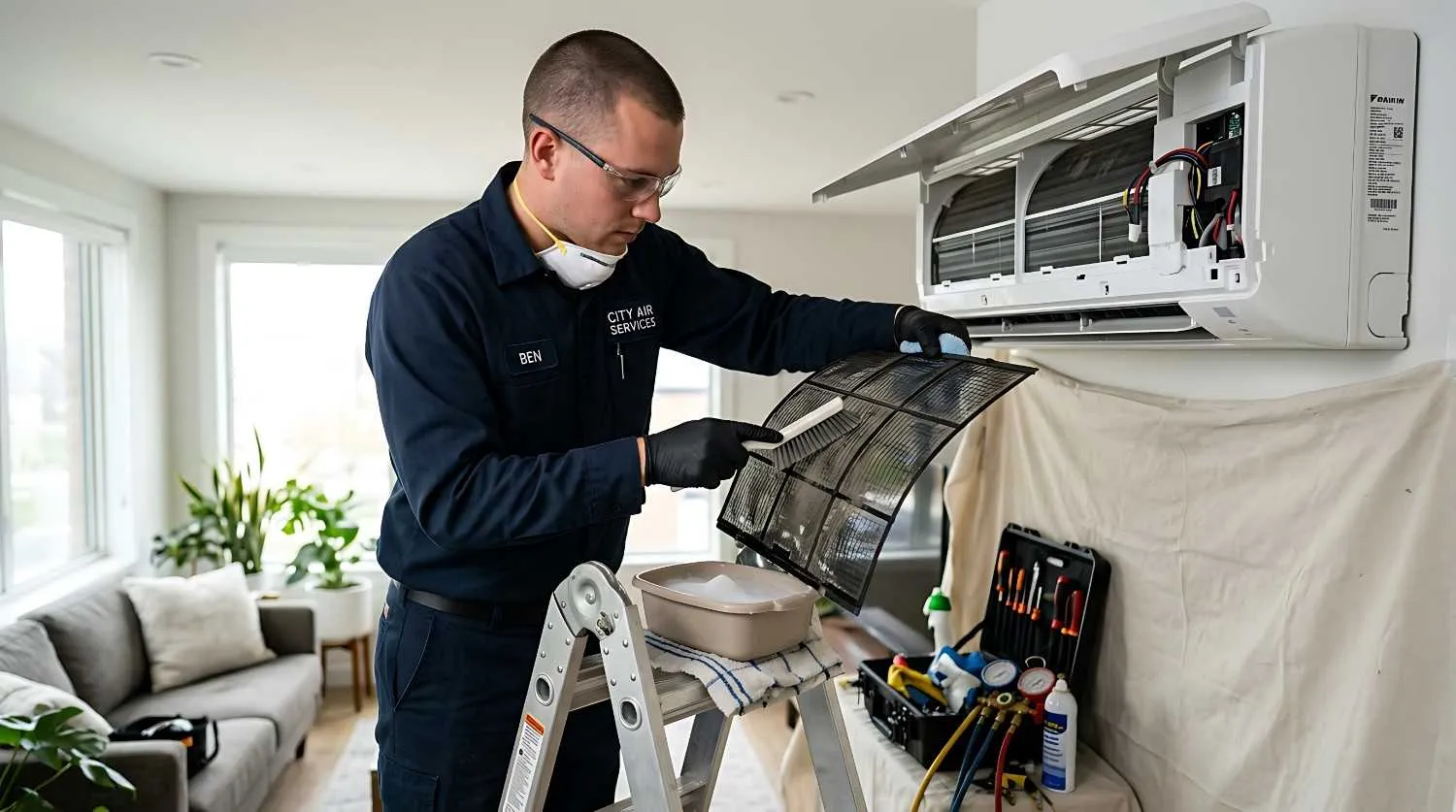
Four plain steps, so you know what to expect.
Go through the systems and appliances a plan names, with your own home in mind.
Each plan leaves a few things out, like storm damage. Spotting those gaps helps.
When a covered item fails from normal use, send a request with a short summary.
A local technician gets matched to you. Repair or replace depends on your plan.
Short replies to the coverage questions that land in my inbox most.
No. Insurance usually responds to sudden events like fire or a storm. A warranty is aimed at items that wear out through regular use.
Most plans exclude problems that existed before coverage began. Writing down the condition of your appliances at signup can help later.
It is a set amount you pay each time a technician visits for a request. The plan handles the approved work beyond that fee.
Some plans allow it with approval, but many assign someone from their own network. Check the plan terms before booking anyone yourself.
They can be if you own a pool, a well pump or a second fridge. Extras let a plan reach items the base contract leaves out.
A clogged furnace filter strains the blower. A fresh one costs little and keeps your heating system easy to defend in a request.
Draining a bit of the water heater now and then clears out the sediment that quietly shortens its life.
Lint in the vent makes the dryer work harder and run hotter. Clearing it is one of the easiest wins in the house.
Snap a photo of each receipt or service visit. A short paper trail helps whenever a plan asks about upkeep.